Why operations matter to conservation
At Duke Farms, everyday operations become a form of demonstration: they are sustainable, reduce carbon emissions, restore ecological function, and make practical climate and conservation strategies visible.
 Duke FarmsDDF Center | Nature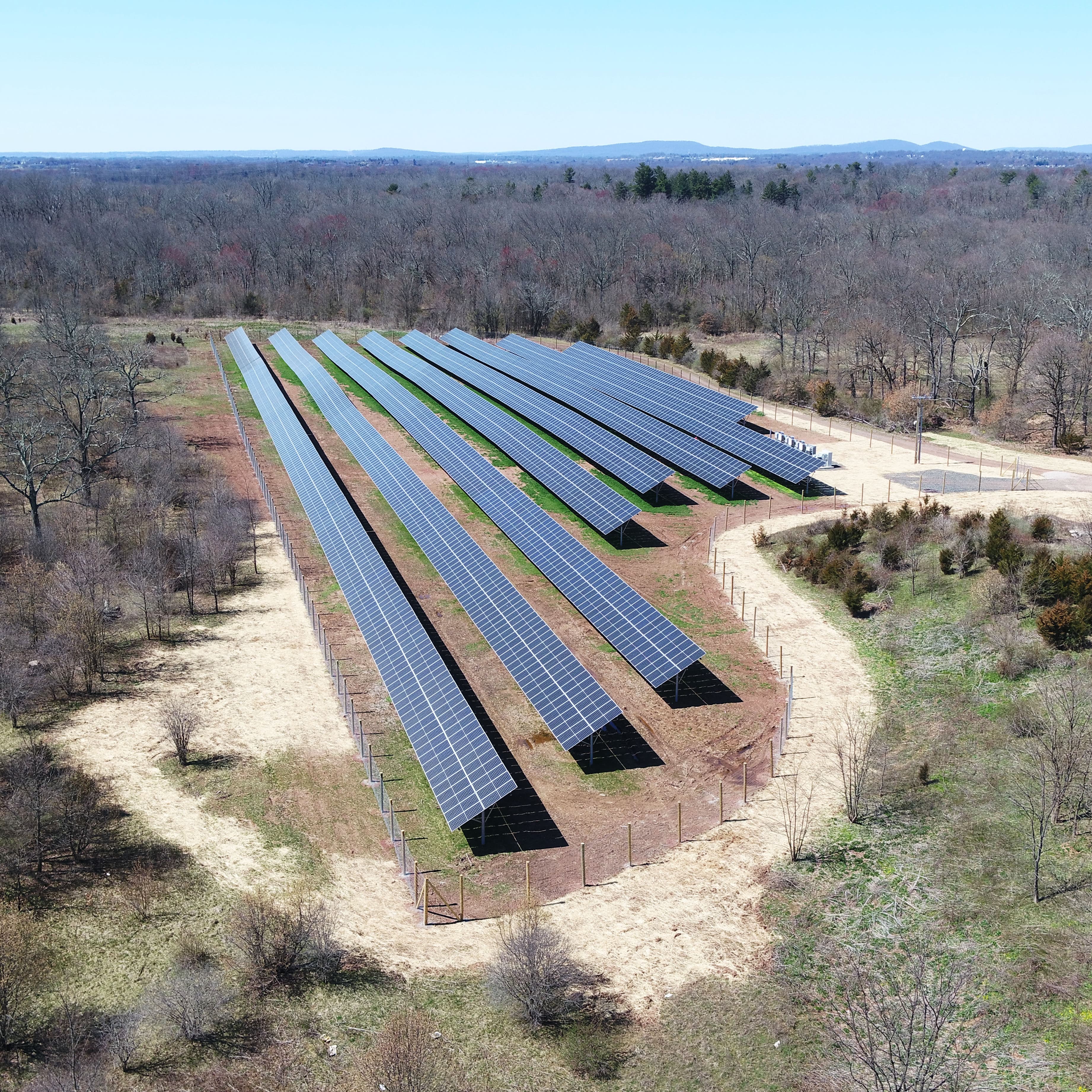
Duke Farms | A center of the Doris Duke Foundation
Duke Farms is a living lab for nature-positive, carbon-negative operations, connecting land stewardship, energy, buildings, biodiversity, water, waste, food systems, agriculture, fleet and equipment, and public learning.
Living lab position
Duke Farms is more than a destination. It is a living lab where conservation science, sustainable operations, land stewardship, convening, and public learning reinforce one another. Across our campus, the work of restoration, clean energy transition, wildlife conservation, and climate action is made visible through daily operations—from land, water, buildings, and agriculture to fleet, equipment, and visitor experience. In this way, Duke Farms demonstrates practical strategies that reduce emissions, restore ecological function, enhance biodiversity, sequester carbon, and help others imagine and implement a nature-positive, carbon-negative future.
At a glance
Duke Farms treats operations as part of its conservation mission. The way the property manages energy, buildings, land, water, materials, agriculture, food systems, fleet and equipment, and public learning is part of the model. Energy was one of the first areas Duke Farms focused on, and other sustainability pillars are being added and strengthened over time.
At Duke Farms, everyday operations become a form of demonstration: they are sustainable, reduce carbon emissions, restore ecological function, and make practical climate and conservation strategies visible.
| Area | Duke Farms approach |
|---|---|
| Land | Restore ecological function and beauty, improve soil health, and support biodiversity. |
| Energy | Generate clean electricity, conserve energy, electrify systems, eliminate fossil fuel use, and pursue emissions reductions at the lowest possible cost. |
| Buildings | Align retrofits, master planning, electrification, and capital budgeting with carbon emissions reduction goals, overall sustainability, and the lowest possible cost. |
| Biodiversity | Put biodiversity first while connecting habitat work with climate resilience and carbon sequestration. |
| Water | Manage water use, water quality, stormwater, wastewater, wetlands, and watershed health. |
| Fleet and Equipment | Reduce emissions from vehicles, equipment, charging infrastructure, and operating choices at the lowest possible cost. |
| Agriculture / Agroecology | Practice regenerative agriculture, healthy food production, soil stewardship, and closed-loop operations. |
| Waste | Minimize landfill waste through reuse, composting, responsible procurement, and coordinated operations. |
| Learning | Make sustainable operations visible through interpretation, convening, proactive engagement, and peer learning. |
The model
The operating model follows a simple discipline: set clear goals, reduce harm, restore ecological function, test practical solutions, document and monitor results, and share what works. This approach changes what Duke Farms does operationally every day, and how decisions are made. It also uses a phased approach to sustainability enhancements over time, since several steps may be needed to achieve demanding goals at the lowest possible cost. Duke Farms intentionally favors strategies and solutions that others can replicate beyond our own borders.
Set clear goals, build a baseline across energy, buildings, land, water, materials, fleet and equipment, agriculture, and operations, and define the metrics and cost trade-offs needed to act.
Prioritize conservation, efficiency, greenhouse gas emissions reduction, and lower-impact operating choices.
Use restoration, long-term stewardship and adaptive management to restore ecological function and support biodiversity.
Use the campus as a living lab for applied research, clean energy, building systems, fleet and equipment, and stewardship practices.
Track results, compare with goals, revisit assumptions, and adapt as technology, climate conditions, costs, and operating needs change.
Translate campus lessons into public learning, convenings, tools, and peer adoption.
Operations domains
Each domain connects a practical operating need to a broader sustainability outcome, from land stewardship and clean electricity to agriculture, fleet and equipment, public learning, and peer adoption, with cost treated as a real constraint that shapes decisions.

Use restoration, long-term stewardship and adaptive management to restore ecological function and support biodiversity.
Land management shapes biodiversity, ecosystem function, climate resilience and the long-term health of all natural systems.
Floodplain reforestation, grassland management, habitat restoration, and adaptive management and applied research.
Large properties can make land management part of a sustainable operating model rather than a separate conservation project.

Use the Natural Systems Energy Plan (NSEP), Duke Farms' decarbonization plan, to conserve energy, generate clean electricity, and electrify buildings, vehicles, and equipment.
The NSEP platform reduces greenhouse gas emissions and supports lower-carbon operations, resilience, and long-term cost control.
Two solar arrays, battery storage, distribution upgrades, EV charging, electrification, and energy monitoring.
A decarbonization plan works best when conservation, clean electricity, electrification, storage, and measurement are planned in a comprehensive way and well integrated.
Explore the NSEP
Integrate sustainability into all maintenance and long-term capital planning. Sequence conservation, efficiency, controls, electrification, and historic-building retrofits.
Buildings use significant energy and shape comfort, maintenance, resilience, preservation, daily operations, and long-term cost.
Cutting edge sustainability standards, adaptive reuse, controls, envelope work, heat pumps, master planning, and capital planning.
Historic and operating buildings need phased improvements that align preservation, long-term capital budgeting, and sustainability goals.

Put biodiversity first while tracking how restoration, land management, and carbon sequestration interact.
Maximize carbon sequestration without negatively impacting biodiversity.
Native species work, habitat monitoring, restoration metrics, and applied research on biodiversity in peri-urban environments.
Nature-positive operations should protect ecological quality first and track carbon as one related outcome.

Connect water use, water quality, stormwater, wastewater, wetlands, and watershed health to operations.
Water decisions affect floodplain function, habitat, resilience, operations, and the Raritan River watershed.
Water conservation, stormwater management, wastewater management, wetland stewardship, floodplain restoration, and water-quality monitoring.
Water systems can be managed as infrastructure, habitat, and resilience work at the same time.

Reduce, reuse, compost, recover materials, and make procurement choices that avoid waste upstream.
Materials decisions show up in events, construction, visitor services, maintenance, and food operations.
Waste diversion, composting, reuse, purchasing standards, and event operations.
Waste reduction works best when procurement, events, food service, facilities, and agricultural operations are coordinated.

Practice agroecology, regenerative agriculture, soil stewardship, composting, and healthy food production.
Agricultural operations connect land stewardship, food systems, biodiversity, soil health, and visitor understanding.
Regenerative practices, conservation grassland grazing, compost use, healthy food production, soil monitoring, and closed-loop material flows.
Agriculture can connect sustainable operations with ecological restoration and healthy food systems.

Connect healthy foods, sourcing, composting, visitor education, and cafe operations to sustainability values.
Food systems make material flows visible and connect daily choices to land, health, and operations.
Healthy foods, composting, responsible sourcing, reusable materials, and food-waste reduction.
Cafe and event practices can turn daily choices into visible sustainability lessons.

Reduce emissions from fleet vehicles, tractors, heavy equipment, charging infrastructure, and operating choices.
Vehicles and equipment shape campus carbon emissions, maintenance decisions, access, and public-facing infrastructure.
Public EV charging, fleet charging, vehicle conversion, equipment planning, and charging data.
Fleet and equipment planning can reduce emissions while supporting the practical work of the site.
Case studies
Each story connects a visible campus project to an operating problem, a sustainability result, and a transferable lesson.
Clean energy transition
Sustainable building operations
Habitat restoration
Visitor learning and access
Water and watershed health
Waste and materials
Related resources
These resources help connect the campus operating model to public learning, planning, and implementation.
Explore Duke Farms’ alignment and progress across the Climate Toolkit’s 35 goals and nine focus areas.
View Climate Toolkit AlignmentDuke Farms' decarbonization roadmap for conservation, clean electricity, electrification, and measurement.
View Natural Systems Energy PlanStatic and interactive map showing solar, battery storage, switchgear, and campus electrical circuits.
View Campus energy mapA companion dashboard for emissions, sequestration, and carbon accounting as that work is published.
Open resourceUse Duke Farms' visit resources to plan a visit, request a group visit, or explore field learning.
Open resourceOrganizations can submit inquiries for convenings and events that connect to conservation, sustainability, and public impact.
Open resourceShare questions, suggestions, or partnership ideas through Duke Farms' general contact channels.
Open resourceFAQ
Duke Farms is working toward carbon-negative operations by reducing emissions, expanding clean energy, and connecting land stewardship with carbon and ecological metrics.
Nature-positive means operations should improve ecological function, biodiversity, habitat quality, watershed health, and climate resilience rather than only reducing harm.
Duke Farms uses on-site solar, battery storage, energy monitoring, efficiency work, and electrification planning to reduce greenhouse gas emissions and support resilient operations.
Progress is measured through operating indicators such as energy use, solar generation, emissions reductions, restoration work, building improvements, fleet and equipment changes, and nature-positive metrics, compared with detailed goals.
Yes. Duke Farms intentionally uses strategies that can be replicated by others. The strategies are intentionally generic, and can be customized and applied to any type of property or operation.
Visitors can use Duke Farms' visit resources for group visits and field learning, mission-aligned organizations can submit convening inquiries, and readers with suggestions or partnership ideas can contact Duke Farms directly.
Public learning makes the work visible. Interpretation, proactive engagement, public charging, programs, and convenings connect campus operations to learning and peer adoption.
Duke Farms is a center of the Doris Duke Foundation and advances the foundation's commitment to a more creative, equitable, and sustainable future through conservation, restoration, public learning, and sustainable operations.